Programs & Events
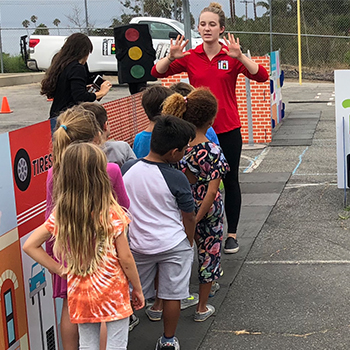
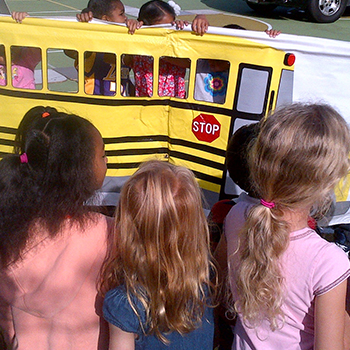
Safe Routes to School (SRTS) assemblies are a great way to educate students about pedestrian and bicycle safety, encouraging walking and biking to school while promoting a fun and engaging learning environment.
Here’s a breakdown of what makes SRTS assemblies effective:
Focus on Safety:
Assemblies reinforce key safety messages, such as wearing helmets, using crosswalks, and being aware of traffic.
Engaging Format:
Assemblies often use interactive elements like games, videos, and songs to keep students interested and help them retain information.
Reaching Many Students:
Assemblies offer a way to reach a large number of students quickly, which can be especially helpful in schools where classroom time is limited.
Building Excitement:
Assemblies can create school-wide excitement about walking and biking to school, encouraging more students to participate in active transportation.
Examples of Assembly Content:
- Kindergarten through 2nd grade:Focus on basic bike and pedestrian safety, such as how to ride a bike and walk safely.
- 3rd through 5th grade:Reinforce bike and pedestrian safety, emphasizing the importance of wearing a helmet, following traffic laws and bike lanes, and being careful in crosswalks and parking lots.
Hip-Hop Songs and Videos: Some assemblies use music and videos to teach safety lessons in a fun and memorable way.
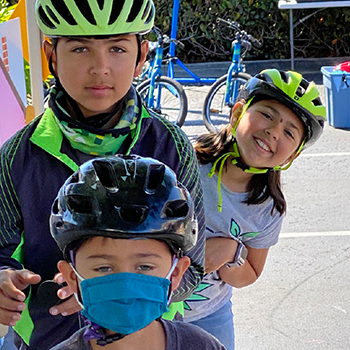
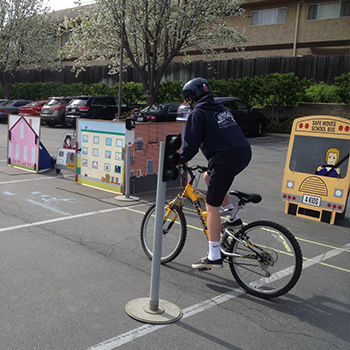
Bike rodeos are fun, hands-on events, often organized by Safe Routes to School programs, that teach children essential bicycle safety skills and techniques in a safe and encouraging environment.
Here’s a more detailed look at what bike rodeos entail:
Purpose and Benefits:
Promote Safe Cycling:
Bike rodeos aim to equip children with the knowledge and skills to ride safely on roads, streets, and bike paths.
Encourage Active Transportation:
They are a key component of Safe Routes to School programs, which encourage walking and biking to school as a healthy and sustainable mode of transportation.
Fun and Engaging:
Bike rodeos are designed to be fun and engaging, making learning about bike safety enjoyable for children.
Practical Skills:
Participants learn how to check their bikes, fit helmets, and practice safe riding techniques.
Traffic Safety:
They often include lessons on traffic laws, hand signals, and how to navigate intersections and other road hazards.
What to Expect at a Bike Rodeo:
Skills Courses:
Rodeos typically feature a course with various obstacles and scenarios designed to test and improve participants’ bike handling skills.
Safety Stations:
There may be stations where participants learn about bike maintenance, helmet fitting, and other safety tips.
Games and Activities:
Rodeos often incorporate games and activities to make learning fun and interactive.
Expert Instruction:
Experienced bike safety educators, local police officers, or members of bicycle advocacy groups may lead the rodeo.
Incentives:
Some rodeos offer incentives, such as helmets, bike lights, or locks, to encourage participation.
Community Involvement:
Bike rodeos often involve parents, teachers, and other community members, fostering a sense of teamwork and support for safe cycling.
How to Host a Bike Rodeo:
- Contact your local Safe Routes to School program: They can provide guidance and resources for organizing a bike rodeo.
- Find a safe location: A parking lot or a closed-off area with ample space for activities is ideal.
- Recruit volunteers: You’ll need volunteers to help with setup, instruction, and supervision.
- Plan the course and activities: Design a course that challenges participants while keeping them safe.
- Promote the event: Let students, parents, and the community know about the bike rodeo.
To ensure safe routes to school, parent workshops can focus on pedestrian and bicycle safety, route planning, and encouraging active transportation, while also addressing concerns and promoting community involvement.
Here’s a more detailed breakdown of what parent workshops for safe routes to school can cover:
Understanding Safe Routes to School (SRTS)
What is SRTS?
Explain the goals and benefits of Safe Routes to School programs, emphasizing the importance of walking and biking to school.
The Six Es Framework:
Introduce the comprehensive approach of SRTS, which includes Engagement, Equity, Engineering, Encouragement, Education, and Evaluation.
Benefits of Active Transportation:
Discuss the health, environmental, and social benefits of walking and biking to school, such as increased physical activity, reduced traffic congestion, and improved air quality.
Pedestrian and Bicycle Safety
Safe Walking Practices:
Review safe walking habits, including crossing streets, using sidewalks, and being aware of traffic.
Bicycle Safety:
Discuss bicycle safety equipment (helmets, lights), bike path usage, and safe riding practices.
Route Planning:
Help parents identify the safest routes to school, considering traffic patterns, sidewalks, and crosswalks.
Traffic Safety:
Review traffic laws and safe practices for pedestrians and cyclists, including yield signs, stop signs, and traffic signals.
Walking/Biking with Children:
Emphasize the importance of supervising children while they walk or bike to school, especially younger children.
Driver Safety:
Discuss safe driving practices around schools, including speed limits, stop signs, and pedestrian crossings.
Addressing Parent Concerns and Promoting Active Transportation
Safety Concerns:
Acknowledge and address common parent concerns about traffic safety, such as traffic volume, speed, and pedestrian behavior.
Time Constraints:
Discuss ways to make walking and biking to school more convenient, such as carpooling, walking school buses, and using bike racks.
Weather:
Provide tips for walking and biking in different weather conditions, such as rain, snow, and extreme temperatures.
Encouragement:
Promote the positive aspects of walking and biking to school, such as increased physical activity, reduced stress, and improved community connections.
Community Involvement:
Encourage parents to get involved in SRTS programs, such as joining walking groups, volunteering at school events, or advocating for safer routes.
Workshop Activities and Resources
Interactive Exercises:
Conduct interactive exercises, such as route planning simulations, safety quizzes, and group discussions.
Walking Assessments:
Organize walking assessments of school routes to identify potential hazards and areas for improvement.
Resource Materials:
Provide parents with resources, such as maps of safe routes, safety brochures, and links to relevant websites.
Sample SRTS Program:
Share examples of successful SRTS programs and strategies.
Action Planning:
Facilitate group action planning to identify future steps for improving safe routes to school in the community.
Walk and Bike to School Events:
Promote and encourage participation in Walk and Bike to School Days and other events.
To help improve safe routes to school in the Mountain View School District a parent survey can be used to gather information about factors that influence parents’ decisions to allow their children to walk or bike to school, and their perceptions of safety.
Here’s a breakdown of what a Safe Routes to School (SRTS) parent survey typically covers:
Purpose:
Identify Barriers:
The survey aims to understand what factors prevent parents from allowing their children to walk or bike to school, such as safety concerns, distance, lack of infrastructure, or lack of supervision.
Improve Safety:
By understanding these barriers, SRTS programs can work to address them, such as improving infrastructure, implementing safety programs, or providing education to parents and students.
Promote Active Transportation:
The survey also helps to understand parents’ perceptions of the benefits of walking and biking to school, such as increased physical activity and reduced traffic congestion.
How to Use the Survey Information:
Data Analysis:
The survey data can be analyzed to identify trends and patterns in parents’ perceptions and experiences.
Program Planning:
This information can be used to develop and implement targeted SRTS programs and interventions.
Community Engagement:
The survey can be used to engage with parents and community members to build support for SRTS initiatives.
Advocate for Change:
The data can be used to advocate for policy changes and funding for SRTS programs.
A “Walking School Bus” is a program where a group of students walks to school together with adult supervision, offering a safe and active alternative to traditional school bus transportation.
Here’s a more detailed explanation:
Concept:
Instead of being driven to school, students walk in a group, supervised by adult volunteers (parents, neighbors, or school staff) along a pre-determined route.
Purpose:
Walking School Buses aim to encourage physical activity, promote safety, and foster a sense of community.
How it works:
- Adult volunteers meet at designated “bus stops” (meeting points) to pick up students.
- The group walks together to school, following a specific route.
- Parents can either drop off their children at the “bus stop” or walk with the group.
Benefits:
- Safety:Adult supervision can help alleviate parents’ concerns about letting their children walk to school alone.
- Physical Activity:Walking is a great way for children to get exercise and stay active.
- Community Building:Walking School Buses can help create a sense of community among families and school staff.
- Reduced Traffic:Fewer cars on the road can help reduce traffic congestion around schools.
Planning a Walking School Bus:
- Route Selection:Choose routes that are safe, have sidewalks or paths, and minimize traffic crossings.
- Adult Volunteers:Recruit and train adult volunteers to supervise the walking groups.
- Meeting Points:Establish designated meeting points or “bus stops” along the route.
- Communication:Communicate the route, schedule, and safety guidelines to parents and students.
Resources:
- The Walking School Bus website offers resources and guidance for starting and implementing a Walking School Bus program.
- The National Center for Safe Routes to School website provides information and resources on Safe Routes to School programs, including Walking School Buses.
- The SRTS Guide offers a comprehensive guide to planning and implementing a Walking School Bus program.
In the “Safe Routes to School” (SRTS) program, students can participate in a student travel tally where teachers ask students how they get to and from school, recording the data to assess travel patterns and the program’s impact.
Here’s a more detailed explanation:
What it is:
SRTS programs aim to encourage and facilitate safe walking and biking to school.
Student Travel Tally:
- Teachers ask students how they arrive and depart from school, and students raise their hands to indicate their mode of transportation (walk, bike, car, etc.).
- Teachers record the counts on tally sheets.
- These tallies can be used to measure how students get to school and whether the SRTS program affects their travel choices.
Why it’s important:
- Data Collection:The data collected helps evaluate the effectiveness of SRTS programs.
- Program Improvement:It helps identify areas where improvements can be made to encourage more students to walk or bike.
- Understanding Travel Patterns:It provides insights into how students currently travel to and from school.
Other SRTS Evaluation Methods:
- Parent Surveys:These gather information about parental attitudes towards walking and biking to school, and the presence of safety-related conditions along routes.
- Traffic Counts and Safety Observations:These methods assess traffic conditions and safety along routes to school.
- Parent Focus Groups:These provide an opportunity for parents to share their experiences and perspectives.
SRTS Resources:
- The Safe Routes to School Guide provides resources evaluation methods and data collection tools.
A “Walk Audit” for Safe Routes to School (SRTS) involves a community walk along student routes to assess safety, identify potential improvements, and gather data to inform SRTS planning and interventions.
Here’s a more detailed explanation:
What is a Walk Audit?
Purpose:
Walk audits are a crucial part of the SRTS planning process, allowing community members to experience the routes students use to walk or bike to school firsthand.
Process:
Participants walk or bike along the routes, observing and documenting the environment, infrastructure, and behaviors that affect pedestrian and bicycle safety.
Data Collection:
Observations are recorded on maps, checklists, or through photography, capturing details like traffic volume, sidewalk conditions, street lighting, and presence of crosswalks or bike lanes.
Community Involvement:
Walk audits are a great way to engage community members, including parents, students, school staff, and local officials, in identifying problems and solutions for safer walking and biking to school.
Why Conduct a Walk Audit?
Identify Safety Issues:
Walk audits help pinpoint areas where safety is compromised, such as dangerous intersections, poorly maintained sidewalks, or lack of crosswalks.
Inform Planning and Interventions:
The data collected during walk audits can be used to develop targeted interventions and infrastructure improvements to make walking and biking to school safer and more appealing.
Increase Community Awareness:
By participating in walk audits, community members gain a better understanding of the challenges and opportunities for creating safer routes to school.
Advocate for Change:
The findings from walk audits can be used to advocate for policy changes and funding for SRTS initiatives.
How to Conduct a Walk Audit:
Planning:
- Define the Scope:Determine the routes to be audited, the target audience, and the goals of the audit.
- Assemble a Team:Recruit participants with diverse perspectives and expertise.
- Gather Supplies:Prepare maps, checklists, safety vests, and other necessary materials.
Execution:
- Walk the Routes:Conduct the walk audit, observing and documenting the environment.
- Take Photos:Capture key observations with photographs.
- Record Observations:Use checklists or maps to record observations and identify safety issues.
Analysis and Reporting:
- Compile Data:Compile the data collected during the walk audit.
- Identify Trends:Analyze the data to identify patterns and trends in safety issues.
Share Findings: Share the findings with community stakeholders and decision-makers
To advocate for safe routes to school, youth can join or form groups focusing on local or national initiatives, such as those supported by the National Center for Safe Routes to School and the Safe Routes Partnership.
Here’s a breakdown of how youth can get involved:
National Organizations & Initiatives:
National Center for Safe Routes to School (National Center):
This organization, part of the Safe Routes Partnership, promotes safe walking, biking, and rolling to school, and supports communities in becoming safer for active transportation.
- Vision Zero for Youth:The National Center launched this initiative to link Walk, Bike & Roll to School Day events with community commitments to promote safe walking and rolling and to eliminate fatal and serious traffic crashes.
- Youth Engagement:The National Center actively engages youth in advocating for safe streets and promoting active transportation.
- Safe Routes Partnership:
This organization provides resources, training, and support for Safe Routes to School programs at the local, regional, state, and federal levels.
- National Conference:The Safe Routes Partnership holds a national conference to bring together practitioners, advocates, and policymakers to share knowledge and best practices.
- Resources:They offer a wealth of resources, including toolkits, guides, and sample programs, to help communities implement and sustain Safe Routes to School programs.
Walk & Bike to School Day:
The National Center encourages communities to host Walk, Bike & Roll to School Day events to promote active transportation and safe routes to school.
Local Initiatives & Advocacy:
Form or Join a Youth-Led Group:
Youth can form or join groups at their school or in their community to advocate for safer routes to school.
Engage with Elected Officials:
Encourage youth to contact their local representatives and advocate for policies and funding that support Safe Routes to School programs.
Participate in Community Events:
Attend Safe Routes to School events, such as Walk, Bike & Roll to School Days, and engage with community members and local officials.
Advocate for Infrastructure Improvements:
Work with local officials to improve infrastructure, such as sidewalks, bike lanes, and crosswalks, to make it safer for students to walk and bike to school.
Raise Awareness:
Share information about Safe Routes to School with their peers, families, and community members.
Engage in Policy Change:
Advocate for policies that support active transportation and Safe Routes to School programs.
Partner with Local Organizations:
Collaborate with local organizations, such as schools, community centers, and non-profits, to promote Safe Routes to School initiatives.
Use Social Media:
Utilize social media to raise awareness about Safe Routes to School and advocate for change.
Specific Resources:
Safe Routes to School Implementation Toolkit:
CDPH (.gov) https://www.cdph.ca.gov/Programs/CCDPHP/DCDIC/NEOPB/CDPH Document Library/SRTS Toolkit Road Map For Getting Started.pdf provides a roadmap for getting started with Safe Routes to School initiatives.
Safe Routes to School Local Policy Guide:
| Safe Routes Partnership provides a primer for what policies can be targeted to influence transportation and land use that benefits children’s mobility.
Safe Routes to School and Student Leaders: Facilitator’s Guide to Engaging Middle School Youth: Safe Routes Partnership is a guide specifically aimed at middle schoolers.